Technology is reshaping how almost every organisation works. As it does, the skills that make leaders valuable are shifting towards the ones only people can offer.
Not long ago, technical expertise was often enough to get to the top. Know the systems, know the rules, deliver the results. Expertise still matters. But as technology takes on more of the routine and technical work, it is no longer the thing that sets leaders apart.
What sets them apart now is human capability: emotional intelligence, communication, adaptability and empathy.
Why technical expertise is no longer enough
Many tasks that once needed deep specialist knowledge can now be supported, sped up or handled by technology. Reports write faster. Data is easier to analyse. Information is a search away.
What technology cannot do is build trust with a frightened family, read the mood of a team going through change, or hold a difficult conversation with care. Those things still depend on people. As the technical side becomes easier, the human side becomes the real point of difference.
The capabilities that matter most
- Emotional intelligence. Understanding your own reactions and other people's, and using that understanding to lead well.
- Communication. Explaining clearly, listening properly and adjusting how you speak to the people in front of you.
- Adaptability. Staying open and steady when things change, which is now most of the time.
- Empathy. Seeing a situation from someone else's position, and letting that shape your decisions.
These were once called soft skills. In practice they are some of the hardest skills to master, and some of the most valuable.
Where inclusion comes in
Human-centred leadership has to include everyone, or it is not really human-centred. Leaders who understand people from different backgrounds, cultures, abilities, genders and sexualities build teams where more people can do their best work.
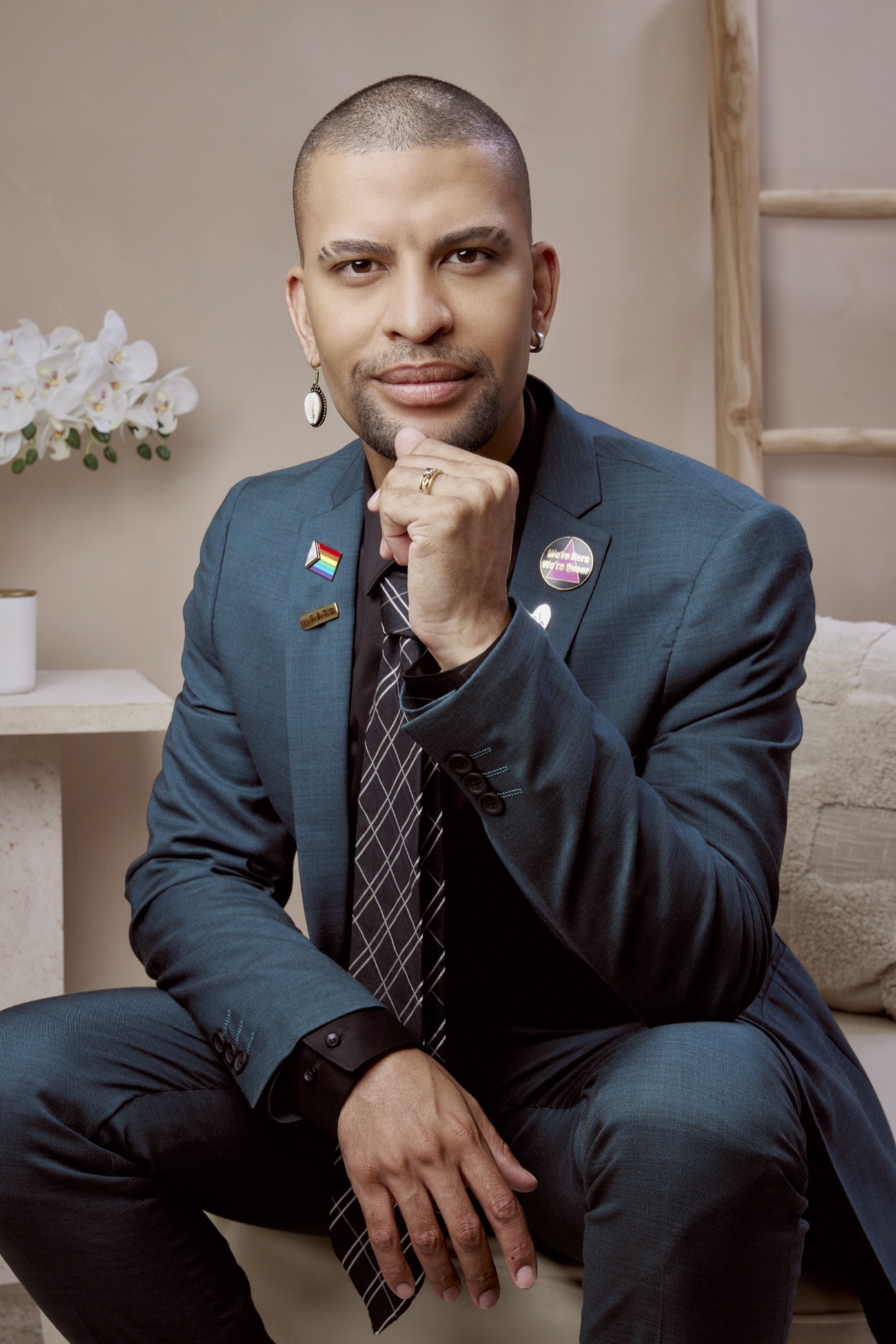
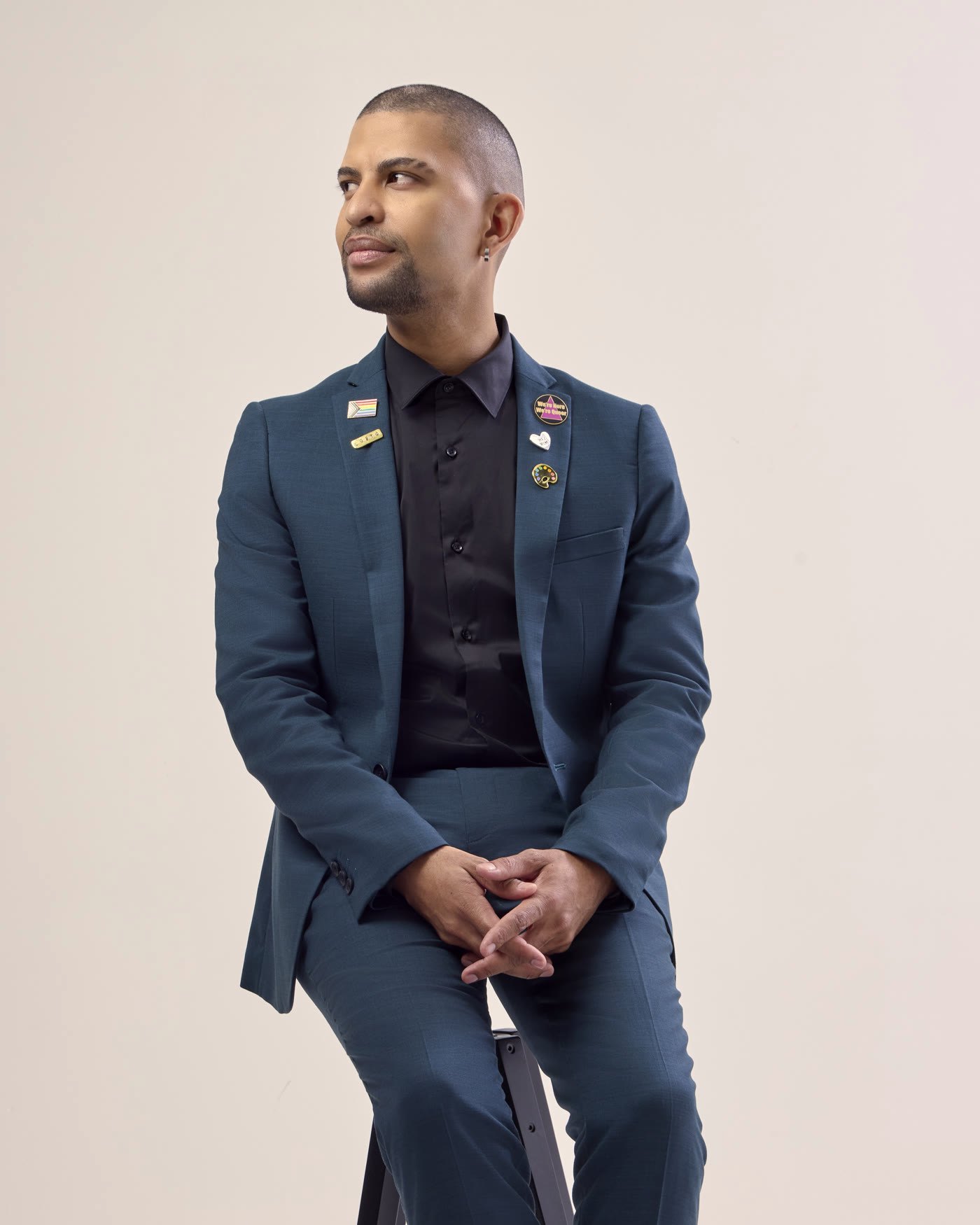
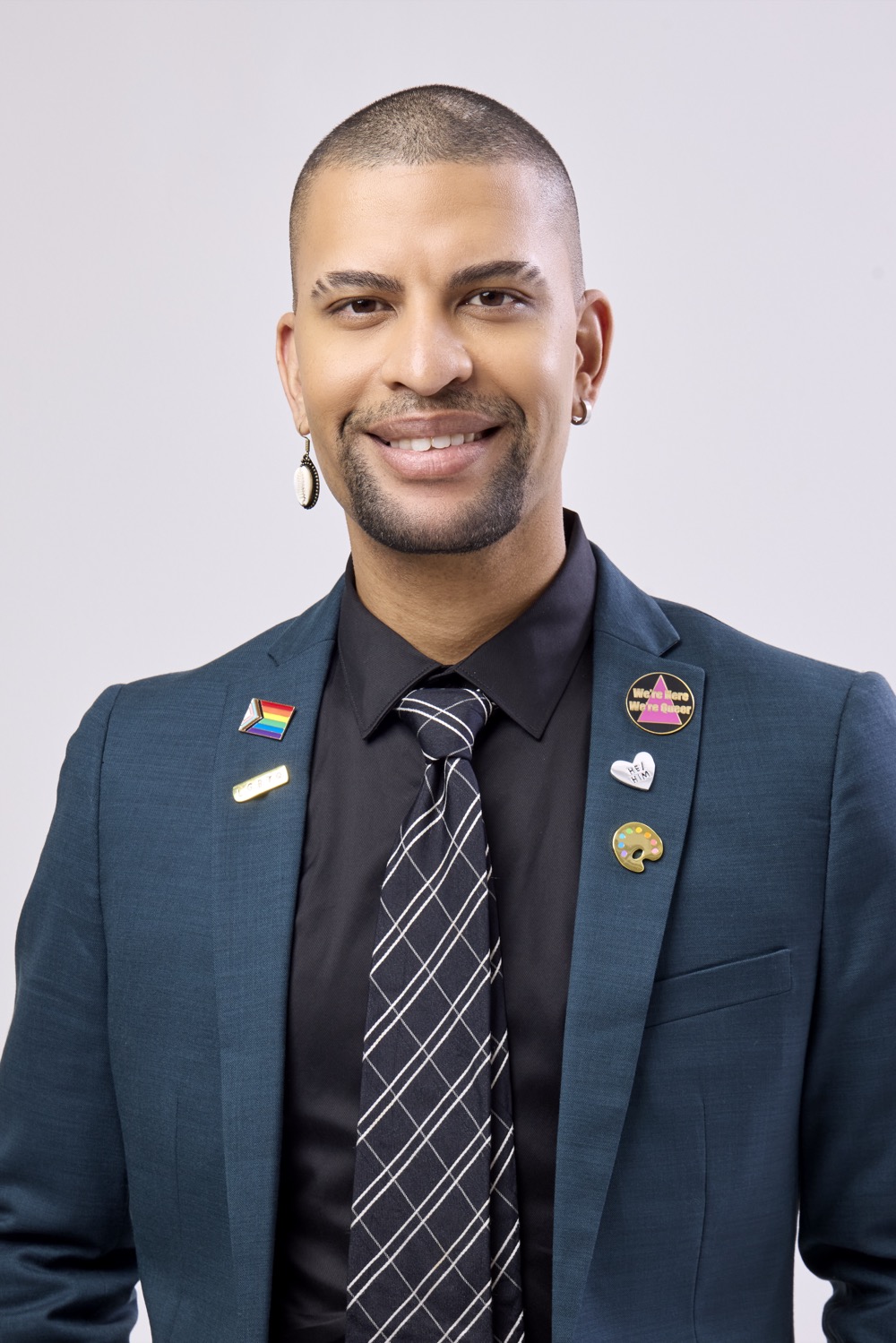
As a queer, culturally diverse person who has worked across disability and community services, I have seen how much it matters when a leader genuinely understands difference, and how much it costs when they do not. People who feel they have to hide part of themselves at work bring less of themselves to it. People who feel seen and respected bring more.
Inclusion is not a separate program running alongside leadership. It is part of what good leadership is. A leader who can connect with a wide range of people, and make each of them feel they belong, has a capability that no technology can replace.
Building human capability on purpose
The good news is that these capabilities can be developed. They are not fixed traits that some people are simply born with. They grow through practice, feedback and reflection.
- Include emotional intelligence and communication in how you select and promote leaders, not only technical results.
- Invest in leadership development that practises real situations, not just theory.
- Build inclusion training into leadership development rather than treating it as a one-off session.
- Ask for feedback on how you lead, not only on what you deliver.
Operational excellence plus human-centred leadership
None of this means operations stop mattering. An organisation still needs strong systems, good compliance and sound finances. The point is that operational excellence on its own is no longer enough.
The organisations that will outlast their competitors are the ones that combine both: running well and leading with humanity. Strong systems give people a stable foundation. Human-centred leadership gives them a reason to stay and give their best. Together, they build cultures that last, long after any particular technology has been replaced by the next one.